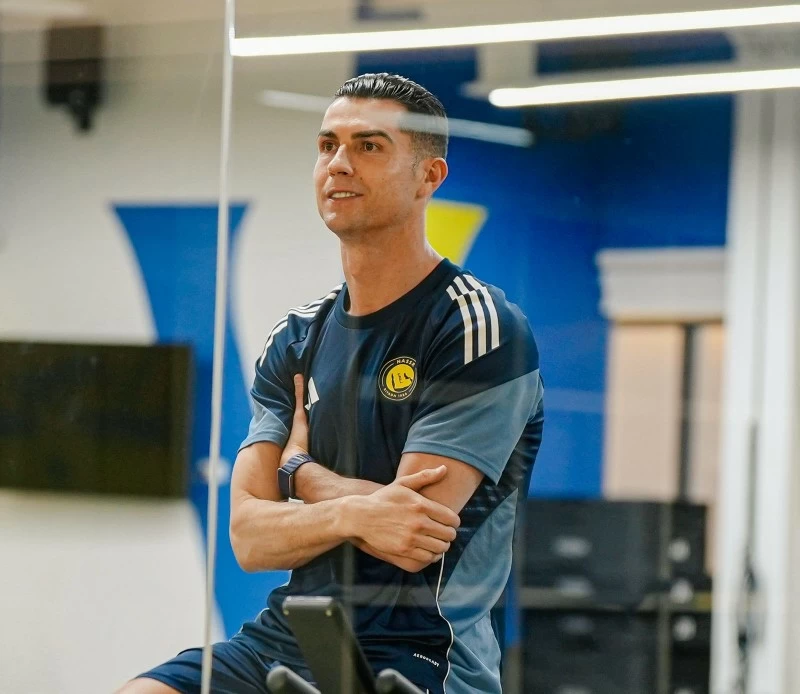
أظهرت لقطات من داخل مقر نادي النصر قبل قليل استمرار كريستيانو رونالدو في برنامج علاجي وتأهيلي، عقب إعلان النادي إصابته بـ«شدٍّ عضلي». ونقلت الصور المشهد التطبيقي بعد البيان: عمل داخل الصالة، تمارين موجهة، وأحمال محسوبة تُدار خطوة بخطوة تمهيدًا للعودة وفق مؤشرات طبية دقيقة.
طبيًا، الشدّ العضلي يعني تمزّقًا جزئيًا في ألياف العضلة أو في منطقة اتصال العضلة بالوتر نتيجة تحميل بدني مرتفع أثناء الأداء. ووفق ما يورده مستشفى سبيتار لجراحة العظام والطب الرياضي، يرتبط هذا النوع من الإصابات بمرحلة الجري التي تتعرض فيها العضلة لانقباض قوي مع إطالة مفاجئة، ما يرفع الضغط على الألياف ويؤدي إلى تمزقات دقيقة أو جزئية، خاصة لدى لاعبي كرة القدم ذوي الاعتماد الكبير على السرعة.
وكشف مصدر طبي لـ«عكاظ» أن رونالدو يخضع حاليًا لبروتوكولات تأهيل تشمل تمارين رفع الركبة وتجاوز الحاجز لاستعادة التحكم الحركي والتوازن وجودة الحركة تحت حمل متدرج، إلى جانب تمارين مقاومة باستخدام الشريط المطاطي لتقوية العضلات الداعمة وتحسين قدرة النسيج على تحمل الجهد، وتمارين ثبات وتوازن عبر منصات صغيرة لتجهيز الجسم لمتطلبات التسارع والتباطؤ وتغيير الاتجاه.
وأضاف المصدر أن معيار العودة يُبنى على استعادة القوة الحركية الكاملة، مع القدرة على التسارع وتغيير الاتجاه دون أعراض، إلى جانب اجتياز اختبارات الأداء الخاصة بالسرعات العالية، لأن المرحلة التي تسبق العودة للميدان تعتمد على جودة الحركة تحت الضغط قبل أي قرار بالمشاركة.
وأشار المصدر ذاته إلى أن العلاج التأهيلي الفعّال في إصابات الشدّ العضلي يعتمد على تقوية تدريجية دقيقة تستهدف رفع تحمّل العضلة للسرعة، مع تركيز على التمارين التي تعيد بناء الألياف وتحد من احتمالات التكرار.
كما أوضح أن الجهاز الطبي في النصر يعمل وفق توصيات طبية بإدارة مرحلية تبدأ بضبط الحمل البدني وتقليل الالتهاب، ثم استعادة المدى الحركي تدريجيًا، يليها برنامج تقوية متدرج، وصولًا إلى اختبارات وظيفية تقارن قوة العضلة المصابة بالطرف السليم قبل الإذن بالعودة للتدريبات الجماعية والمشاركة الرسمية.
وفي مثل هذه الإصابات، يرتكز جوهر القرار الطبي على اكتمال الجاهزية الوظيفية تحت السرعات العالية، لأن العودة السريعة قد تعيد اللاعب إلى نقطة البداية.
Footage from inside the Al-Nassr club headquarters has shown Cristiano Ronaldo continuing his rehabilitation and treatment program, following the club’s announcement of his “muscle strain” injury. The images captured the practical scene after the statement: work inside the gym, directed exercises, and calculated loads managed step by step in preparation for his return according to precise medical indicators.
Medically, a muscle strain refers to a partial tear in the muscle fibers or at the point where the muscle connects to the tendon due to high physical load during performance. According to what is reported by Aspetar Hospital for Orthopaedics and Sports Medicine, this type of injury is associated with the running phase, during which the muscle undergoes strong contraction with sudden elongation, increasing pressure on the fibers and leading to minute or partial tears, especially in football players who heavily rely on speed.
A medical source revealed to “Okaz” that Ronaldo is currently undergoing rehabilitation protocols that include knee lifts and hurdle jumps to regain motor control, balance, and movement quality under graded load, along with resistance exercises using elastic bands to strengthen the supporting muscles and improve the tissue’s ability to withstand effort, as well as stability and balance exercises on small platforms to prepare the body for the demands of acceleration, deceleration, and direction changes.
The source added that the criterion for return is based on regaining full kinetic strength, with the ability to accelerate and change direction without symptoms, in addition to passing performance tests specific to high speeds, as the phase preceding a return to the field relies on the quality of movement under pressure before any decision to participate.
The same source indicated that effective rehabilitation treatment for muscle strain injuries relies on a precise gradual strengthening approach aimed at increasing the muscle’s tolerance to speed, focusing on exercises that rebuild the fibers and limit the chances of recurrence.
He also clarified that the medical team at Al-Nassr operates according to medical recommendations with a phased management approach that begins with adjusting physical load and reducing inflammation, followed by a gradual restoration of the range of motion, leading to a progressive strengthening program, culminating in functional tests that compare the strength of the injured muscle to the healthy limb before allowing a return to group training and official participation.
In such injuries, the essence of the medical decision focuses on the completion of functional readiness under high speeds, as a quick return may bring the player back to square one.