شهد القطاع الرياضي في المملكة العربية السعودية تحولات ضمن مستهدفات رؤية 2030، إذ بات الاستثمار الرياضي أحد أبرز المحركات الاقتصادية والتنموية، لما له من دور فاعل في تنويع مصادر الدخل وخلق فرص العمل وتعزيز جودة الحياة، فيما ارتفعت القيمة السوقية للقطاع الرياضي إلى نحو 32 مليار ريال، مع استهداف الوصول إلى 80 مليار ريال بحلول 2030، مدعوماً بإطلاق عشرات الفرص الاستثمارية الكبرى ضمن رؤية السعودية 2030.
ومن هذا المنطلق، تبرز محافظة الطائف كإحدى المدن السعودية المؤهلة لتكون مركزاً جاذباً للاستثمار الرياضي، لما تمتلكه من مقومات طبيعية ومناخ معتدل وموقع إستراتيجي وكثافة سكانية شابة، إضافة إلى تاريخ رياضي وثقافي عريق، إلا أن هذه المقومات لا تزال بحاجة إلى ترجمة عملية عبر مشاريع رياضية استثمارية نوعية.
«عكاظ» بدورها استطلعت آراء عددٍ من المهتمين بالشأن الرياضي حول هذه القضية المهمة، ففي البداية تحدث مدرب الجمباز الدكتور عطية الحدادي، وقال: «ما تشهده المملكة العربية السعودية اليوم من قفزات نوعية في مجال الاستثمار الرياضي لم يعد مجرد تطور مرحلي، بل هو تحول إستراتيجي شامل يضع الرياضة في قلب التنمية الاقتصادية والاجتماعية. من استضافة البطولات العالمية إلى استقطاب أبرز النجوم في مختلف الألعاب، وصولاً إلى الإعلان عن استضافة كأس العالم 2034، أصبحت الرياضة في المملكة صناعة متكاملة ومحركاً تنموياً حقيقياً يشار إليه بالبنان على مستوى العالم»، وأضاف: «هذه المنجزات لم تأت من فراغ، بل جاءت امتداداً لرؤية 2030 التي وضعت القطاع الرياضي ضمن مستهدفات جودة الحياة، وزيادة نسبة الممارسين، وتعزيز التنافسية، وفتح آفاق الاستثمار في الرياضة بوصفها قطاعاً اقتصادياً واعداً». وتساءل الدكتور حدادي كيف يمكن أن تنعكس هذه الطفرة الوطنية على مستوى المدن والمحافظات، ومنها محافظة الطائف، بحيث تتحول منشآتنا الرياضية من مجرد مرافق خدمية إلى أصول استثمارية فاعلة. وتابع: «حين نتأمل واقع بعض المنشآت الرياضية في مدننا نجد أنها تؤدي دورها الخدمي بشكل جيد، لكنها في كثير من الأحيان تفتقد البعد الاستثماري المنظم الذي يعظم من قيمتها ويضمن استدامتها. الحديث هنا ليس عن قصور، بل عن فرصة كامنة، وعن مرحلة جديدة تتطلب إعادة تعريف الأدوار وتطوير المفاهيم بما يتناسب مع التحول الوطني الكبير الذي نعيشه»، موضحاً أن أبرز التحولات المطلوبة يتعلق بالصورة النمطية لرجل الأعمال في المجال الرياضي لسنوات طويلة ارتبط دورهم بفكرة الدعم المالي المباشر، سواء على شكل تبرع أو هبة، دون أن يكون له دور في صياغة الرؤية الاستثمارية أو المشاركة في صناعة القرار المتعلق بالمشاريع الرياضية، وقال: «ترسخت لدى بعض الأندية ومنسوبيها قناعة بأن دور رجل الأعمال يقتصر على تقديم المال، مع عدم التدخل في آلية صرفه أو توجيهه، وهذه الثنائية التقليدية صنعت فجوة بين المستثمر ومنظومة العمل الرياضي. فالمستثمر اليوم لا ينظر إلى الرياضة باعتبارها باباً للإنفاق الاجتماعي فقط، بل كقطاع اقتصادي يمكن أن يحقق عائداً مجزياً إذا ما أدارته منظومة احترافية واضحة المعالم. من الطبيعي أن يفكر المستثمر في جدوى مشروعه، وفي العائد المتوقع، وفي استدامة دخله، وهذا لا يتعارض مع خدمة الرياضة، بل يعززها ويمنحها قوة واستمرارية». وأشار الدكتور حدادي إلى أن الاستثمار الرياضي الحديث لا يرتبط فقط بنتائج الفرق أو مستويات اللاعبين، بل يتسع ليشمل مجالات متعددة، منها إنشاء أو الاستحواذ على أندية رياضية، وبناء وتشغيل الأكاديميات المتخصصة، وإدارة الصالات والمرافق وتأجيرها، ورعاية الفرق والبطولات، والاستثمار في الإعلام الرياضي، وتطوير المتاجر الإلكترونية للأندية، واستقطاب المواهب وصقلها ثم تسويقها باحترافية، إضافة إلى استثمار مواقع الأندية وتحويلها إلى وجهات رياضية وترفيهية متكاملة، مشدداً على أن هذه النماذج ليست بعيدة عنا، بل أصبحت واقعاً في كثير من الدول، بل وفي بعض مناطق المملكة، ومع وجود بيئة خصبة في محافظاتنا من حيث الكثافة السكانية، والشغف الرياضي، والموقع الجغرافي، والهوية السياحية، وإن فرص الاستثمار الرياضي أكبر مما نتصور إذا ما تم تأطيرها بعقود واضحة وشراكات متوازنة بين الأندية والمستثمرين، وقال: «دخول المستثمر إلى المجال الرياضي لم يعد ترفاً، بل ضرورة تنموية، فهو يسهم في تحسين جودة المنشآت، وخلق وظائف جديدة، وتحريك السوق المحلية، ودعم سلاسل الإمداد المرتبطة بالرياضة من تجهيزات وخدمات وتسويق، كما أنه يعزز فرص أبنائنا وبناتنا في إيجاد بيئة رياضية متكاملة تلبي احتياجاتهم، وتمنحهم مسارات احترافية واضحة»، مطالباً بإطلاق ملتقيات وورش عمل مصغرة على مستوى المدن والمحافظات، تجمع رجال الأعمال والمستثمرين بالمتخصصين في الاستثمار الرياضي تلامس احتياجات كل منطقة ويتم خلالها عرض نماذج ناجحة، واختتم حديثه: «الأدوار تغيرت، وزمن الاكتفاء بالدعم التقليدي قد انتهى، نحن اليوم أمام مرحلة جديدة عنوانها الاحترافية، والعائد الاستثماري، والتنمية المستدامة والرياضة ليست مجرد منافسة في الملعب، بل صناعة متكاملة يمكن أن تسهم بفاعلية في اقتصاد المدن، وأن تكون رافداً حقيقياً لتحقيق مستهدفات رؤية وطننا الطموح».
بن زنان: الاستثمار الرياضي في العالم
لم يعد ترفاً
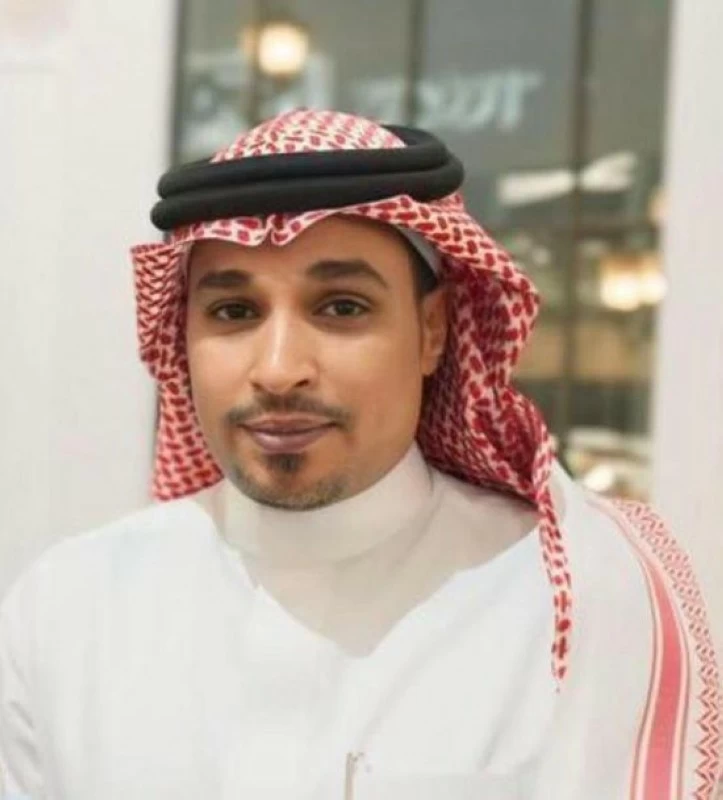
من جانبه، قال الناقد الرياضي عبدالله بن زنان: «الاستثمار الرياضي في العالم لم يعد ترفاً بل أصبح ضرورة لتفعيل أدوار اجتماعية وفكرية وبالأصل اقتصادية، ومدينة الطائف مدينة تحمل مقومات مهمة جداً للاستثمار الرياضي ومن أهمها ارتفاعها عن سطح البحر ما يجعلها موطناً رائعاً لمعسكرات المنتخبات والأندية، ووجود البيئة المحفزة لهذه المعسكرات يشكل تحدياً حقيقياً لتفعيل مفهوم الاستثمار الرياضي»، وأضاف: «تنظيم البطولات والمسابقات المحلية والدولية في كل الألعاب في مدينة سياحية ذات أجواء رائعة يعد طريقاً سالكاً للاستثمار، ولكن هذا الطريق مليء بالصعوبات التي لا تحتاج سوى لرؤية إبداعية للاستثمار الرياضي في مدينة الورد بالتنسيق مع وزارة الرياضة وهيئة الترفية ليمكن جلب الكثير من الفعاليات الرياضية الترفيهية في جنبات الطائف».
حنان القرشي:
لا يوجد لدينا وعي مجتمعي
أوضحت حنان القرشي، رئيس نادي وج سابقاً، أن هناك الكثير من المعوقات تقف أمام الاستثمار الرياضي، خصوصاً في الأندية التي لا تملك مقرات رئيسية، وقالت: «عدم وجود تمويل يؤخر تطور الاستثمار في الأندية في ظل ارتفاع التكاليف التشغيلية، ومن الصعب جداً الحصول على قروض»، وتابعت: «لا يوجد تعاون جيد بين الاتحادات والوزارات والأندية، ولا يوجد لدينا وعي مجتمعي بذلك»، مشيرة إلى أن قلة الخبرة في مجال الاستثمار الرياضي تسبب تخوفاً للقطاع الخاص، في ظل عدم وجود كوادر في الأندية قادرة على التطوير والابتكار وتقديم أفكار تساعد على جذب رجال الأعمال.
The sports sector in the Kingdom of Saudi Arabia has witnessed transformations within the targets of Vision 2030, as sports investment has become one of the most prominent economic and developmental drivers, due to its active role in diversifying income sources, creating job opportunities, and enhancing the quality of life. The market value of the sports sector has risen to about 32 billion riyals, with a target of reaching 80 billion riyals by 2030, supported by the launch of dozens of major investment opportunities within Saudi Vision 2030.
In this context, the city of Taif emerges as one of the Saudi cities qualified to be an attractive center for sports investment, given its natural features, moderate climate, strategic location, and young population density, in addition to its rich sports and cultural history. However, these features still need to be translated into practical terms through quality sports investment projects.
“Okaz” surveyed the opinions of several sports stakeholders regarding this important issue. Initially, gymnastics coach Dr. Atiyah Al-Hadadi stated: “What we are witnessing today in the Kingdom of Saudi Arabia in terms of qualitative leaps in sports investment is no longer just a transitional development, but rather a comprehensive strategic transformation that places sports at the heart of economic and social development. From hosting global championships to attracting top stars in various sports, culminating in the announcement of hosting the 2034 World Cup, sports in the Kingdom have become a complete industry and a true developmental driver recognized worldwide.” He added: “These achievements did not come from nowhere; they are an extension of Vision 2030, which placed the sports sector among the targets for quality of life, increasing the percentage of practitioners, enhancing competitiveness, and opening up investment horizons in sports as a promising economic sector.” Dr. Al-Hadadi questioned how this national leap could reflect on the level of cities and provinces, including Taif, so that our sports facilities transform from mere service facilities into effective investment assets. He continued: “When we contemplate the reality of some sports facilities in our cities, we find that they perform their service role well, but often lack the organized investment dimension that maximizes their value and ensures their sustainability. The discussion here is not about shortcomings, but about a latent opportunity, and a new phase that requires redefining roles and developing concepts in line with the significant national transformation we are experiencing.” He clarified that the most prominent required transformations relate to the stereotypical image of businessmen in the sports field, whose roles have long been associated with the idea of direct financial support, whether in the form of donations or grants, without having a role in shaping the investment vision or participating in decision-making related to sports projects. He said: “Some clubs and their members have ingrained the belief that the role of businessmen is limited to providing money, without intervening in how it is spent or directed. This traditional duality has created a gap between investors and the sports work system. Today, investors do not view sports merely as a means of social spending, but as an economic sector that can yield substantial returns if managed by a professional system with clear features. It is natural for an investor to think about the feasibility of their project, the expected return, and the sustainability of their income, and this does not contradict serving sports; rather, it enhances it and gives it strength and continuity.” Dr. Al-Hadadi pointed out that modern sports investment is not only linked to team results or player levels, but expands to include multiple areas, such as establishing or acquiring sports clubs, building and operating specialized academies, managing and renting facilities, sponsoring teams and championships, investing in sports media, developing online stores for clubs, attracting and honing talents, and then marketing them professionally. He emphasized that these models are not far from us; they have become a reality in many countries and even in some regions of the Kingdom. With a fertile environment in our provinces in terms of population density, sports enthusiasm, geographical location, and tourism identity, the opportunities for sports investment are greater than we imagine if framed by clear contracts and balanced partnerships between clubs and investors. He stated: “The entry of investors into the sports field is no longer a luxury but a developmental necessity, as it contributes to improving the quality of facilities, creating new jobs, stimulating the local market, and supporting supply chains related to sports in terms of equipment, services, and marketing. It also enhances the opportunities for our sons and daughters to find a comprehensive sports environment that meets their needs and provides them with clear professional pathways.” He called for the launch of forums and small workshops at the city and province levels, bringing together businessmen and investors with specialists in sports investment to address the needs of each region and showcase successful models. He concluded his remarks: “Roles have changed, and the era of relying solely on traditional support has ended. We are now facing a new phase characterized by professionalism, investment returns, and sustainable development. Sports are not just competition on the field; they are a complete industry that can effectively contribute to the economy of cities and be a true tributary for achieving the ambitious targets of our national vision.”
Bin Zanan: Sports investment in the world
is no longer a luxury
For his part, sports critic Abdullah Bin Zanan stated: “Sports investment in the world is no longer a luxury but has become a necessity to activate social, intellectual, and primarily economic roles. The city of Taif possesses very important features for sports investment, the most important of which is its elevation above sea level, making it a wonderful home for the camps of national teams and clubs. The presence of an encouraging environment for these camps poses a real challenge to activating the concept of sports investment.” He added: “Organizing local and international championships and competitions in all sports in a tourist city with wonderful weather is a viable path for investment, but this path is filled with difficulties that require only a creative vision for sports investment in the city of roses, in coordination with the Ministry of Sports and the Entertainment Authority, to bring many recreational sports events to the surroundings of Taif.”
Hanan Al-Qurashi:
We do not have community awareness
Hanan Al-Qurashi, former president of Waj Club, stated that there are many obstacles facing sports investment, especially in clubs that do not have main headquarters. She said: “The lack of funding delays the development of investment in clubs amid rising operational costs, and it is very difficult to obtain loans.” She continued: “There is no good cooperation between federations, ministries, and clubs, and we do not have community awareness of that.” She pointed out that the lack of experience in the field of sports investment causes fear for the private sector, amid the absence of qualified personnel in clubs capable of development, innovation, and presenting ideas that help attract businessmen.