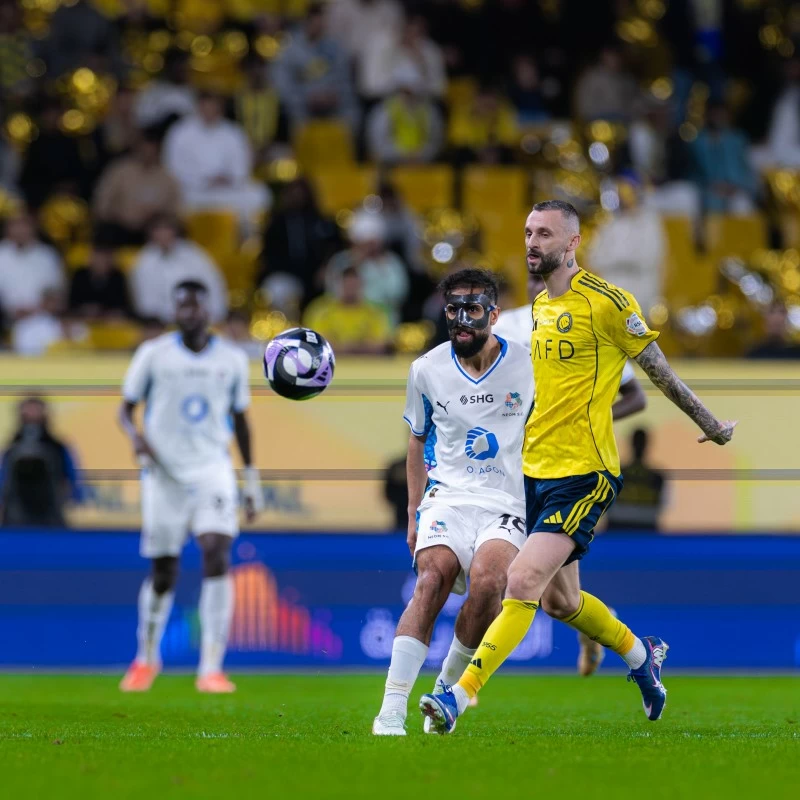
اللقطة التي ظهر فيها تدخل لاعب النصر الكرواتي مارسيلو بروزوفيتش على قدم لاعب فريق نيوم في اللقاء الذي نجا فيه النصر من فخ التعادل في الرمق الأخير، أشعلت جدلاً واسعاً في الوسط الرياضي، بعد تدخل قوي رأى كثير من المتابعين والمحللين أن الحالة كانت تستحق البطاقة الحمراء المباشرة، بينما اكتفى الحكم خالد الطريس، بإدارة اللعب دون اتخاذ قرار حاسم، لتتحول الواقعة سريعاً إلى مادة للنقاش بين الجماهير والمحللين.
الجدل تضاعف بعد إعادة اللقطة عبر النقل التلفزيوني، إذ بدا التدخل في نظر بعض المحللين أكثر خشونة مما ظهر في لحظته الأولى. وفي قراءة تحكيمية قال المستشار التحكيمي لـ«عكاظ» الدولي المصري طارق سامي: «لعب عنيف باستخدام قوة مفرطة القرار الصحيح ركلة حرة مباشرة وطرد لقيام اللاعب باستخدام سلاح أسفل الحذاء في مكان خطير على اللاعب المدافع يعرضه إلى خطر الإصابة الجسيمة». وعن مدى تغافل الحكام في احتساب الحالات الواضحة في ظل وجود تقنية الفيديو قال سامي: «بعض الحكام يرى أن المهاجم لم يأتِ من مسافة، ولم تكن هناك سرعة، وبالتالي لم تكن هناك قوة مفرطة، فهناك عدة اعتبارات للقوة المفرطة، هناك اعتبارات كاحتساب المسافة والسرعة، خصوصاً أن السرعة تولد قوة، واستخدام السلاح من عدمه، والمكان الذي ذهب إليه السلاح عند اللاعب المصاب، وهل وصل السلاح بأكمله أم جزء منه، كل هذه اعتبارات تأتي قبل اتخاذ القرار بالطرد بالكرت الأحمر المباشر، وفي هذه الحالة المهاجم أتى من مسافة ووضع سلاح أسفل الحذاء على قدم المنافس ووقف على قدمه بوزن الجسم ويستحق الطرد المباشر.
لكن السؤال الذي طرحه كثيرون: لماذا تجاهل الحكم الحالة؟
بعض التفسيرات التحكيمية تشير إلى احتمال أن زاوية الرؤية لم تكن مثالية، أو أن الحكم لم يلتقط لحظة الاحتكاك الكاملة مع سرعة اللعب، وهو أمر يحدث أحياناً حتى مع الحكام أصحاب الخبرة. لكن هناك من يرى أن المسؤولية قد تمتد إلى حكم تقنية الفيديو (VAR)، الذي يفترض أن يتدخل في حالات الطرد المباشر إذا رأى أن الحكم ارتكب خطأً واضحاً في التقدير.
أما قانونياً، فيبقى الجدل الأكبر حول إمكانية تدخل لجنة الانضباط والأخلاق في الاتحاد السعودي لكرة القدم.
القاعدة المعمول بها في كثير من الاتحادات الكروية تنص على أن اللجان الانضباطية لا تتدخل في الحالات التي شاهدها الحكم وقيّمها داخل الملعب، حتى لو كان التقييم محل جدل. لكن يمكن للجنة التدخل في حالتين أساسيتين؛ إذا لم ير الحكم الواقعة إطلاقاً، أو إذا اعتُبرت سلوكاً عنيفاً خطيراً لم تتم معاقبته رغم وضوحه في التسجيلات.
وحول ذلك قال طارق سامي: «لجنة الانضباط لا تتدخل إلا في حالات السلوك المشين، بمعنى أن السلوك المشين يختلف عن اللعب العنيف الذي يحدث عندما تكون الكرة في اللعب مثل حالة بروزوفيتشش، والسلوك المشين هو عند توقف اللعب وعدم وجود تنافس على الكرة في اللعب ما بين المهاجم والمدافع، أو اللعب في الأصل متوقف، وهذه هي حالات السلوك المشين.
وفي حالة بروزوفيتش ليس للجنة الانضباط حق التدخل، أما في حالة السلوك المشين فيمكن للجنة الانضباط التدخل، وفي الأخير الأمر يعود برمته للائحة المسابقات للبطولة.
وبين التحليل التحكيمي والقراءة القانونية، تبقى لقطة بروزوفيتش مثالاً جديداً على الجدل الدائم في كرة القدم؛ لقطة واحدة.. وقراءات متعددة، بينما يظل القرار النهائي في مثل هذه الحالات رهين ما دوّنه الحكم في تقريره الرسمي للمباراة.
The moment when Al-Nassr’s Croatian player Marcelo Brozović intervened on the foot of a Neom player in the match where Al-Nassr escaped a draw at the last moment sparked widespread controversy in the sports community. Many observers and analysts believed that the incident warranted a direct red card due to the strong intervention, while referee Khalid Al-Turais opted to manage the game without making a decisive call, quickly turning the incident into a topic of discussion among fans and analysts.
The controversy intensified after the replay of the incident was shown on television, as some analysts perceived the intervention to be rougher than it appeared at first glance. In a refereeing analysis, Egyptian international referee advisor Tarek Sami stated to “Okaz”: “It was violent play using excessive force; the correct decision would be a direct free kick and a red card for the player using a weapon under the shoe in a dangerous area on the defending player, exposing him to the risk of serious injury.” Regarding the referees’ negligence in accounting for clear cases in light of the video technology, Sami said: “Some referees believe that the attacker did not come from a distance, and there was no speed, and thus no excessive force. There are several considerations for excessive force, including distance and speed, especially since speed generates force, and whether a weapon was used or not, and the area where the weapon went towards the injured player, and whether the weapon reached in full or only partially. All these considerations come before making the decision to expel with a direct red card. In this case, the attacker came from a distance and placed a weapon under the shoe on the opponent’s foot and stood on his foot with his body weight, deserving a direct expulsion.
But the question many posed was: Why did the referee ignore the situation?
Some refereeing interpretations suggest that the angle of vision may not have been ideal, or that the referee did not capture the moment of contact fully due to the speed of play, which can happen even with experienced referees. However, some believe that the responsibility may extend to the Video Assistant Referee (VAR), who is supposed to intervene in cases of direct red cards if he sees that the referee made a clear error in judgment.
Legally, the biggest debate remains about the possibility of intervention by the Disciplinary and Ethics Committee of the Saudi Football Federation.
The rule applied in many football federations states that disciplinary committees do not intervene in cases that the referee witnessed and assessed on the field, even if the assessment is contentious. However, the committee can intervene in two main cases: if the referee did not see the incident at all, or if it was considered a dangerous violent behavior that was not punished despite being clear in the recordings.
In this regard, Tarek Sami said: “The Disciplinary Committee only intervenes in cases of misconduct, meaning that misconduct differs from violent play that occurs when the ball is in play, like the Brozović case. Misconduct occurs when the play is stopped and there is no competition for the ball between the attacker and the defender, or when the play is essentially stopped; these are cases of misconduct.
In Brozović’s case, the Disciplinary Committee does not have the right to intervene, but in cases of misconduct, the committee can intervene. Ultimately, the matter entirely depends on the tournament’s competition regulations.
Between refereeing analysis and legal interpretation, Brozović’s moment remains a new example of the ongoing debate in football; a single moment… and multiple readings, while the final decision in such cases remains contingent on what the referee documented in his official match report.