لا خلاف على أن أمضى الأفكار وأبقاها هي تلك التي تسهم في صناعة حراك ثقافي، وتقدح زند الأذهان لتنفتح أبواب جدل (غير بيزنطي) بين النخب في التفاتة للمراحل التاريخية، وتفتح عيون النقد على ما جرى من قضايا وحالات وتحوّلات، وطرح التساؤلات الكبرى حولها كي يظل الوعي متيقظاً.
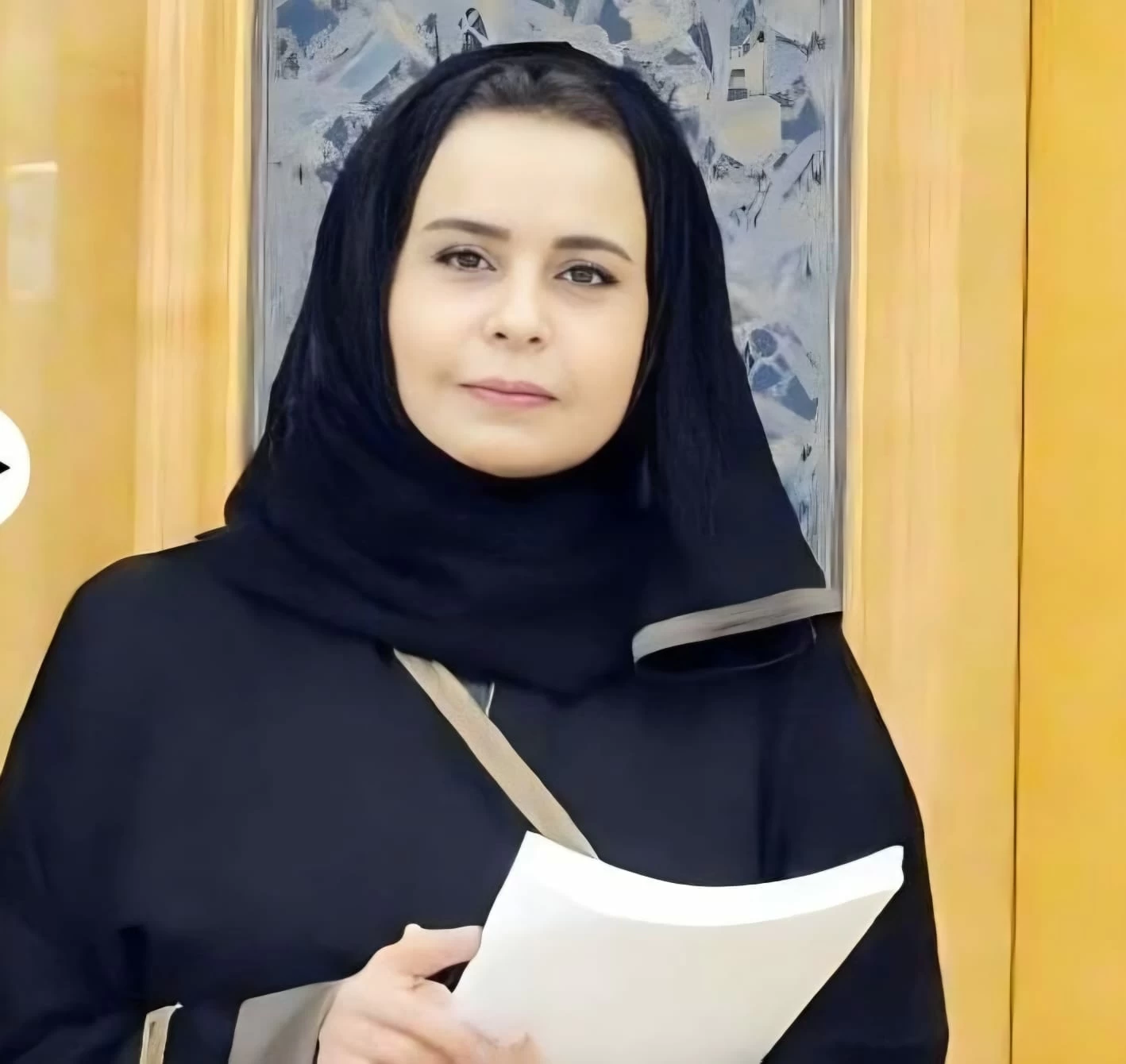
ولعلّ من أبرز الكتب الصادرة حديثاً «الغريب: دراسة في الجهيمانية المهدوية» للدكتورة لطيفة الشعلان؛ المؤهلة علمياً وفنياً وثقافياً لدراسة الخطابات من زاوية التحليل النفسي في محاولة الوصول إلى كنه الظواهر الاجتماعية والأيديولوجية، وسبر أغوار (البروليتاريا الثائرة) وسبب ميلها إلى العنف؛ لتمرير قناعات تمخضت عن منامات، واعتمدت أحاديث الفتن والملاحم برغم ما فيها من علل عند المحدثين.
وأكدت استاذة علم النفس بهذا الإصدار، أن النقاد والإعلاميين لم يزهدوا في الكتابات الجيدة الجادة، بدليل كمّ الكتابات التي لا تزال تتوارد حول كتّابها؛ متناولةً ومناقشة ما ورد في الكتاب الأحدث لها؛ فالزميل عمر البدوي استعرض الكتاب في الزميلة الشرق الأوسط، والناقد الدكتور صالح زياد لفتنا في مقالته بالزميلة اليمامة (تحوّل المعنى إلى سجن)؛ إلى ما يمكن أن يفعل المؤدلج في ظرفه التاريخي والاجتماعي؛ وما يبنيه من عوالم خاصة في فضاء عام، وربما يصعب تصورها باعتبار أن الشخصية مفروض عليها أكثر مما نعتقد أنه خيارات.
كما كتب عبدالله ثابت تدوينة عن الكتاب، عن مواجهة السؤال والجرأة في استنطاقه بما تم إنجازه من تحوّلات إثر تحجيم التسلّط باسم الدين، وتناول كتاب الشعلان عن جهيمان؛ كلا من الكُتّاب داوود الشريان، ومنصور النقيدان.
وبسؤال «عكاظ» للكاتبة عن شخصية جهيمان، وهل هي شريرة أم ضحية؟ أجابت (الموضوع أعقد من ضحية وشريرة بكثير).
There is no disagreement that the most impactful and lasting ideas are those that contribute to the creation of a cultural movement, igniting the minds to open the doors for a (non-Byzantine) debate among the elites reflecting on historical stages, and opening the eyes of criticism to what has transpired in issues, cases, and transformations, while raising major questions about them to keep awareness alert.
One of the most prominent recently published books is “The Stranger: A Study in the Mahdist Juhayman” by Dr. Latifa Al-Shalaan; who is academically, artistically, and culturally qualified to study discourses from the perspective of psychoanalysis in an attempt to reach the essence of social and ideological phenomena, and to delve into the depths of the (revolutionary proletariat) and the reasons for its inclination towards violence; to pass on convictions that emerged from dreams, relying on narratives of strife and epic tales despite their flaws according to modern narrators.
The researcher and physician confirmed in this publication that critics and journalists have not shied away from serious and good writings, as evidenced by the volume of writings that continue to emerge about their authors; addressing and discussing what was presented in her latest book; for colleague Omar Al-Badawi reviewed the book in the colleague Al-Middle East, and critic Dr. Saleh Ziyad pointed out in his article in the colleague Al-Yamama (The Transformation of Meaning into a Prison); to what the ideologized can do in his historical and social context; and what he builds of private worlds in a public space, which may be difficult to imagine considering that the personality is imposed upon more than we believe it to be choices.
Abdullah Thabit also wrote a post about the book, addressing the confrontation of the question and the courage in articulating it regarding the transformations that occurred following the curtailment of tyranny in the name of religion, and Dr. Muhammad Al-Khazim discussed Al-Shalaan’s book about Juhayman in the colleague Al-Jazeera, stating: “What interests me in the book is the cultural and political aspect, and I see that the idea of existential analysis, as presented by the author, has provided an addition in the field of personality analysis and the causes of its choices. Nevertheless, it can be said that the author’s initial avoidance of clinical analysis, considering it a futile matter, did not prevent her in the end from diagnosing Juhayman’s motives and confining them, or attempting to convince us that they are limited to Mahdism,” as praised by writers Dawood Al-Sharyan and Mansour Al-Naqeidan.
When “Okaz” asked the author about Juhayman’s character, whether he is evil or a victim, she replied (the issue is much more complicated than victim and evil).